
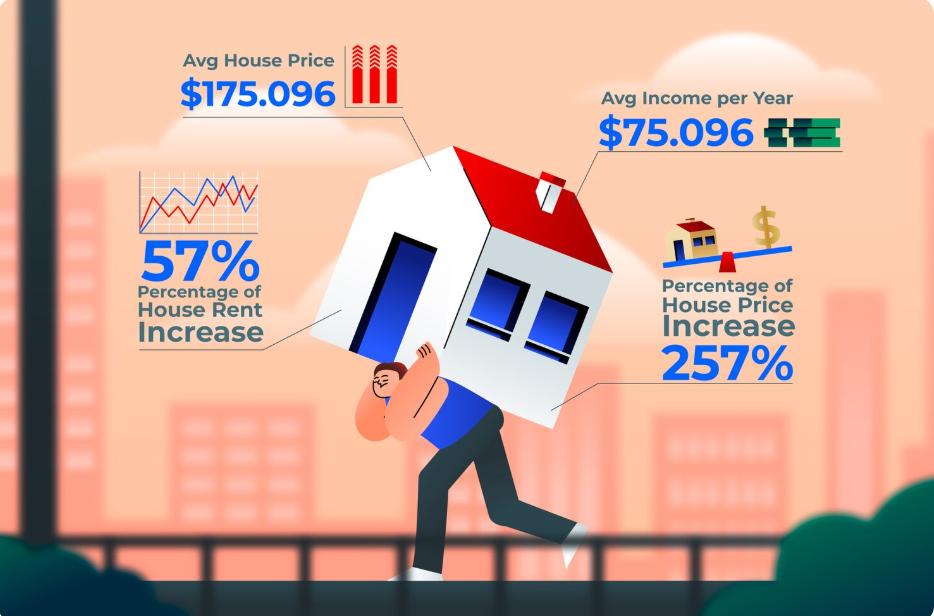
The real estate market is a dynamic sector influenced by multiple economic, social, and technological factors. It includes residential, commercial, and industrial properties, each responding differently to market conditions. Understanding the key factors driving the real estate market is essential for buyers, sellers, investors, and developers. Awareness of these elements enables informed decision making, risk management, and strategic planning.
Economic Conditions and Their Impact
Economic conditions are one of the primary drivers of the real estate market. Factors such as GDP growth, employment rates, and consumer confidence influence property demand and pricing. A strong economy encourages investment, increases purchasing power, and drives construction activities. Conversely, economic downturns can reduce demand and slow market growth, making economic analysis essential for real estate stakeholders.
Interest Rates and Financing Availability
Interest rates significantly affect the real estate market. Lower rates make borrowing cheaper, increasing affordability and stimulating demand for residential and commercial properties. Higher rates, however, raise monthly mortgage costs and can reduce buyer interest. Availability of financing, loan eligibility, and flexible mortgage options also impact market activity, influencing both short term transactions and long term investment strategies.
Supply and Demand Dynamics
The balance of supply and demand is a key factor in determining property prices and market trends. Limited availability of desirable properties often drives prices up, while oversupply can lead to reduced rates and longer selling periods. Understanding local supply constraints, population growth, and new construction trends helps investors and buyers anticipate changes and make strategic decisions.
Government Policies and Regulations
Government policies and regulations play a vital role in shaping the real estate market. Tax incentives, subsidies, zoning laws, and affordable housing schemes influence market behavior. Policies promoting development or investment can stimulate growth, while regulatory restrictions may slow it down. Staying informed about policy changes allows market participants to capitalize on opportunities and remain compliant with legal requirements.
Urbanization and Infrastructure Development
Urbanization drives real estate growth by increasing demand for housing, commercial spaces, and public amenities. Infrastructure development, such as new roads, metro systems, and airports, enhances property accessibility and boosts value. Areas with planned or ongoing infrastructure projects often experience accelerated price appreciation, attracting both developers and investors.
Technological Innovations
Technology is transforming the real estate market by streamlining operations, improving transparency, and enhancing customer experience. Online listings, virtual property tours, AI driven analytics, and property management software simplify buying, selling, and investment decisions. Technology integration increases efficiency, reduces transaction time, and allows better market analysis, making it a key driver of modern real estate markets.
Demographic Trends
Population growth, migration patterns, and household composition influence the real estate market. Millennials and younger generations entering the housing market create demand for affordable and flexible living spaces. Aging populations may increase demand for retirement and assisted living communities. Recognizing demographic shifts helps developers and investors tailor properties to meet evolving needs.
Investor Sentiment and Market Confidence
Investor sentiment impacts property purchases, development projects, and market liquidity. Positive sentiment encourages investment, new construction, and renovation projects, while uncertainty or negative outlooks may slow market activity. Economic stability, regulatory clarity, and market performance influence confidence, making sentiment a critical factor in real estate dynamics.
Environmental and Sustainability Factors
Sustainability is increasingly affecting the real estate market. Energy efficient buildings, green spaces, and eco friendly designs attract buyers and tenants, boosting property value. Environmental regulations and awareness of climate risks influence development patterns and investment decisions. Sustainable development practices are becoming essential drivers of market competitiveness.
Global Trends and External Influences
Global economic conditions, foreign investment flows, and international market trends also affect local real estate markets. Foreign capital can drive demand in high end residential and commercial sectors, while global crises may slow activity. Understanding international influences helps stakeholders anticipate market fluctuations and plan strategies accordingly.
Conclusion and Strategic Insights
The real estate market is influenced by a combination of economic, financial, demographic, technological, and environmental factors. Buyers, sellers, and investors who understand these drivers can navigate the market more effectively, make informed decisions, and identify profitable opportunities. Awareness of supply and demand, government policies, urbanization trends, and technological innovations ensures that stakeholders remain competitive and achieve long term success in today’s dynamic real estate market.