
Introduction
The real estate market plays a central role in economic development and wealth creation. It connects buyers, sellers, investors, and developers while reflecting broader economic conditions. Understanding how the real estate market functions helps individuals make informed decisions and recognize opportunities in a constantly evolving environment.
Understanding the Real Estate Market Structure
The real estate market consists of residential, commercial, industrial, and land segments. Each segment responds differently to economic shifts, interest rates, and consumer demand. Residential properties are often influenced by population growth and lifestyle preferences, while commercial properties depend on business activity and employment trends.
Key Factors Influencing Market Demand
Demand in the real estate market is driven by income levels, employment stability, and urbanization. Population growth in cities increases housing needs, while infrastructure development attracts investors. Government policies, taxation, and interest rates also shape buyer confidence and investment activity within the real estate market.
Supply Trends and Development Activity
Supply refers to the availability of properties for sale or rent. Developers respond to demand signals by launching new projects or expanding existing ones. In many regions, limited land availability and regulatory approvals influence supply levels. Balanced supply supports price stability, while shortages can drive property values upward in the real estate market.
Role of Pricing and Property Valuation
Pricing is a critical component of the real estate market. Property valuation depends on location, property condition, amenities, and future growth potential. Accurate pricing attracts buyers and ensures fair returns for sellers. Market transparency and professional valuation services help maintain confidence and stability.
Investment Opportunities in the Market
The real estate market offers diverse investment opportunities for both short term and long term goals. Rental properties provide steady income, while land investments offer appreciation potential. Commercial properties appeal to investors seeking higher returns. Strategic planning and market research enhance investment outcomes and reduce risks.
Impact of Interest Rates and Financing
Interest rates directly affect affordability and borrowing capacity. Lower rates encourage home buying and investment, while higher rates may slow demand. Financing options, loan terms, and credit availability influence purchasing decisions. Understanding these financial dynamics is essential for navigating the real estate market effectively.
Technology and Market Transparency
Technology has transformed the real estate market by improving access to information. Online listings, virtual tours, and digital documentation simplify property search and transactions. Data analytics help investors track trends and evaluate opportunities. Technology driven platforms enhance transparency and efficiency across the industry.
Challenges Facing the Real Estate Market
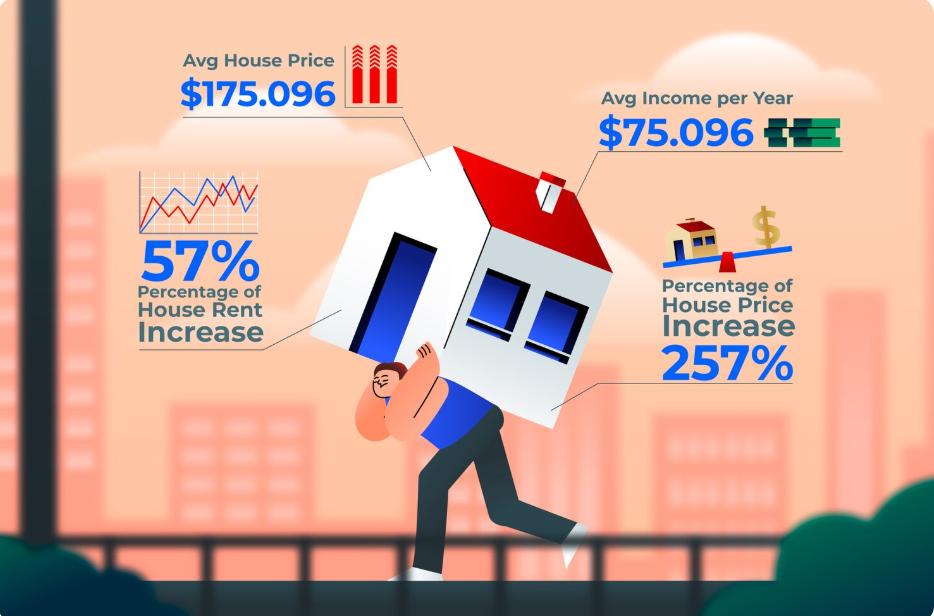
Despite its growth potential, the real estate market faces challenges such as regulatory complexity, affordability concerns, and market volatility. Rising construction costs and environmental considerations also affect development. Addressing these challenges requires collaboration between policymakers, developers, and financial institutions.
Future Outlook and Growth Potential
The future of the real estate market is shaped by urban expansion, sustainability, and changing consumer preferences. Demand for smart homes, mixed use developments, and environmentally responsible projects is increasing. Long term growth depends on economic stability, infrastructure investment, and innovation.
Conclusion
The real estate market remains a dynamic and resilient sector with significant opportunities for buyers, sellers, and investors. Understanding market structure, demand drivers, and financial influences enables informed decision making. With careful planning and awareness of trends, participants can navigate the real estate market confidently and achieve sustainable growth over time.